Tag: Natural

  • A Humanist’s View of Life After Death

    A Humanist’s View of Life After Death

    Last night I was watching Star Trek: Voyager and the episode Mortal Coil came on.  This is an episode where Neelix dies and comes back to life via nano-probes from Seven of Nine.  When he awoke he has a crisis of faith in his afterlife because he did not see any of the thing while he was dead.  This got me thinking, what do I think happens when we die?  I do not believe in heaven or hell, a god, gods or even the devil.  So, what does happen when we die? Well, I feel our bodies go into the earth in order to help nourish it.  As for our energy that we use, it is all used up while we are alive.

    What motivates someone to be a good person in life if there is no reward or punishment in death?  That all comes down to being human and putting out positive vibes and helping make the world a better place.  Yes, I would like to see peace on this beautiful planet in my time.  I know that it most likely will not happen, at least not while I am living.  But, this is where it can start.

    We has humans like to think of a soul as something that can be transferred from this world to another.  Though I can neither disprove or prove this hypothesis, I see things in a much different light.  In the centuries that came before us very few people knew how to read or write, even less would be published.  This is why we wanted or needed to believe in an afterlife, in my opinion.  In our current world many can read and write and almost anyone can be published for the entire world to see.  In this way we are becoming immortal in a sense. If we are putting out negativity history will show that, if we put out positivity history will show that as well.  To me heaven or hell is the way history will see who I am.  I do not need a threat to be a good person I just need to be myself.

    But, if I had to chose a religious version of an after life, I think I would be closer to reincarnation.  This is because as we die and decompose we are transforming into something new.  We are helping to create fertile ground in which plants may grow, so that animals can eat and in this process we live on in the greatness of our planet.
  • Minneapolis Institute of Art Floor 3 Part 1

    Minneapolis Institute of Art Floor 3 Part 1

    William Edmondson

    Ram“, 1938-1942

    Limestone.

    _MG_4107 (2)

    Jean-Baptiste Auguste Clesinger

    “Bacchante and Satyr”, 1869

    Marble

    This slideshow requires JavaScript.

    Antoine-Louis Barye

    “Theseus Slaying the Centaur Bianor” ,1850 (Modeled cast, 1891)

    Bronze, Caster: Ferdinand Barbedienne

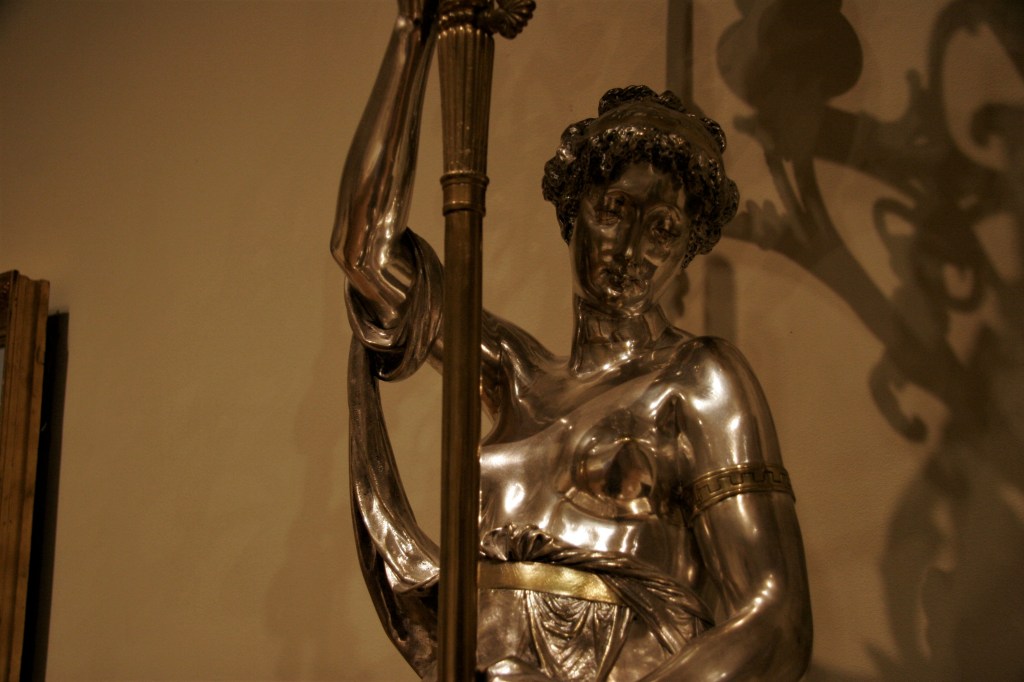
    Albert-Ernest Carrier-Belleuse

    “Pair of Torches”, 1862

    Bronze, Gilt, Silver, Black Onyx, Red Marble

    Henry Bannarn

    “Cleota Collins”, 1932

    Plaster, Pigment

    _MG_4053 (2)

    Jean Hanau

    “Pueblo Indian Group”, 1928

    Oil on Canvas

    Harry Jackson

    “Stampede”, 1958-1959

    Bronze, Wyoming Jade Base

    Wenzel Friedrich

    “Platform Rocking Chair and Stool”, 1880-1890

    Horn, Ivory and Glass with Ocelot Upholstery

    Herman Atkins Macneil

    “A Chief of the Maltnomah Tribe”, 1905

    Bronze

    “Writing Desk”, 1760

    Wood, Paint, Gilt, Gilt Bronze

    _MG_4004 (2)_MG_4003 (2)_MG_3999

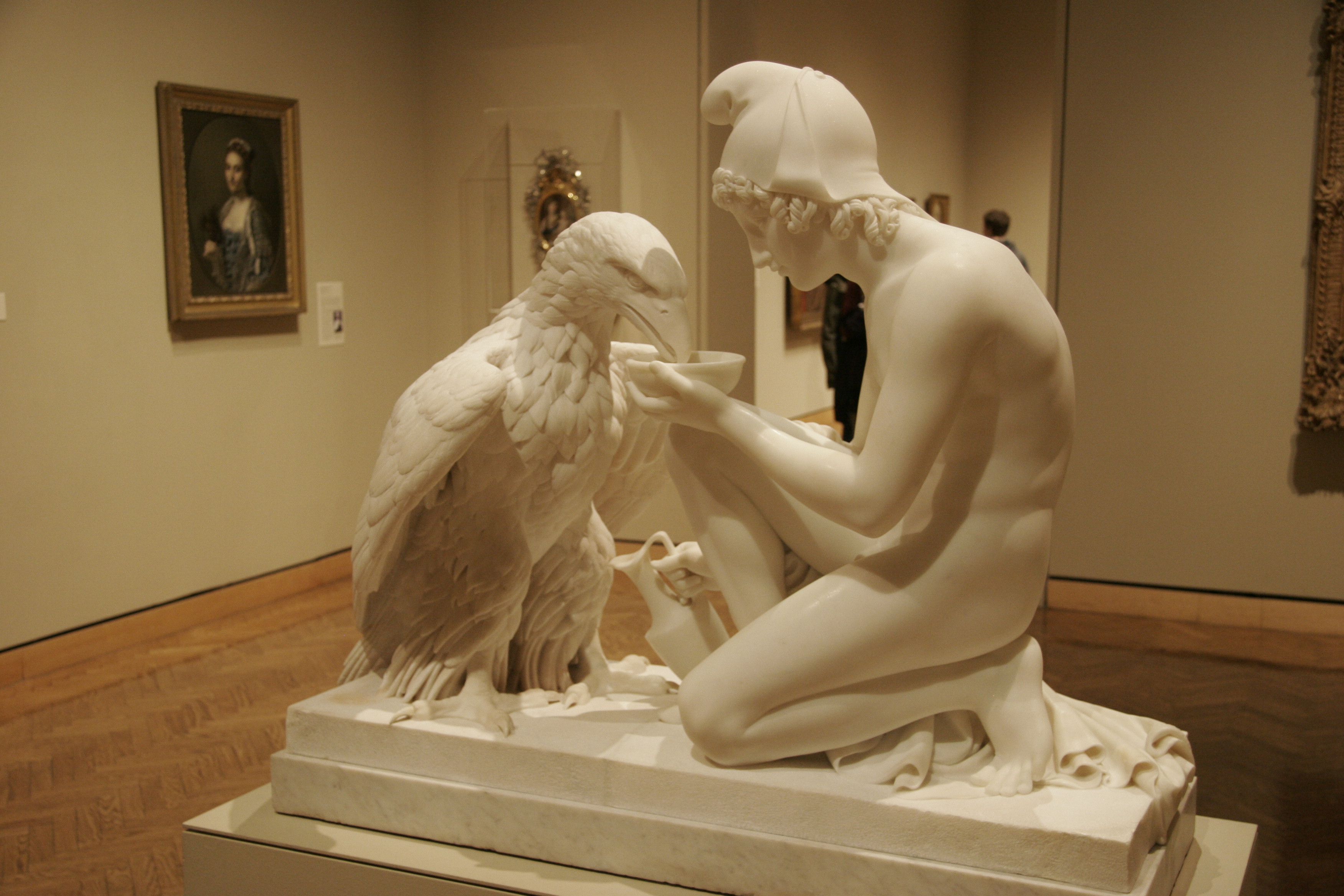
    Bertel Thorvaldsen

    “Ganymede and the Eagle”, 1817-1829

    Marble

    _MG_4009 (2)

    Nicolas de Largilliere

    “Portrait of Catherine Coustard, Marquise of Castelnau, Wife of Charles Leonor Aubry with her Son Leonor”, 1699

    Oil on Canvas

    This slideshow requires JavaScript.

    After Gaspard Marcy

    “Boris Abducting Orithyia”, 1700

    Bronze (Reduction cast)

    This slideshow requires JavaScript.

    Joseph Venache

    “The Borghese Gladiator”, 1680-1685

    Bronze

     _MG_3997

    Pierre-Phillippe Thomire

    “Clock with Vestals”, 1790

    Bronze, Gilt Bronze, enameled dial, Marble

    Fernandi Tacca

    “Satyr and Nymph”, 17th century

    Bronze

    Unidentified Designers and Cartoonists

    “Waiting the Chase”, 1650

    Wool, Silk, Tapestry Weave

    _MG_3947 (2)

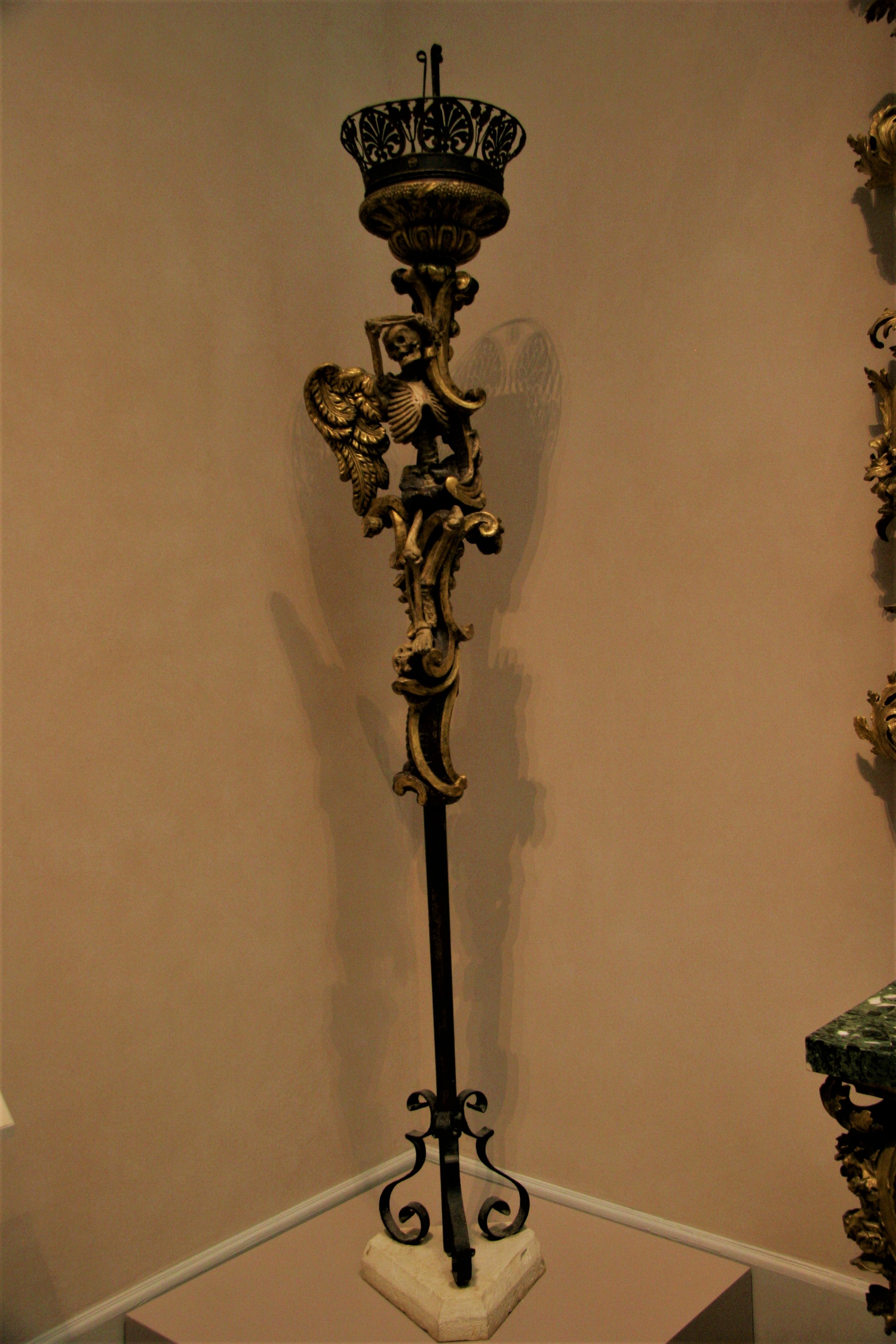
    “Funeral Torch”, 1620

    Gilded and Painted wood and wrought iron

    Attributed to Jose Montes de Oca

    “Saint Benedict of Palermo”, 1734

    Polychrome and gilt wood, Glass

    This slideshow requires JavaScript.

    Aaron Spangler

    Songbird”, 2006

    Carved bass wood, black gesso and graphite

    Hans Schaufelein

    “Roundel Set”, 1500

    Stained Glass, Lead